
The Brooklyn
of Tallinn is
Kalamaja.
Kalamaja is the coolest neighborhood in Tallinn for warehouse coffee roasteries, secondhand vinyl crates, and Saturday flea market mornings at Balti Jaama Turg.
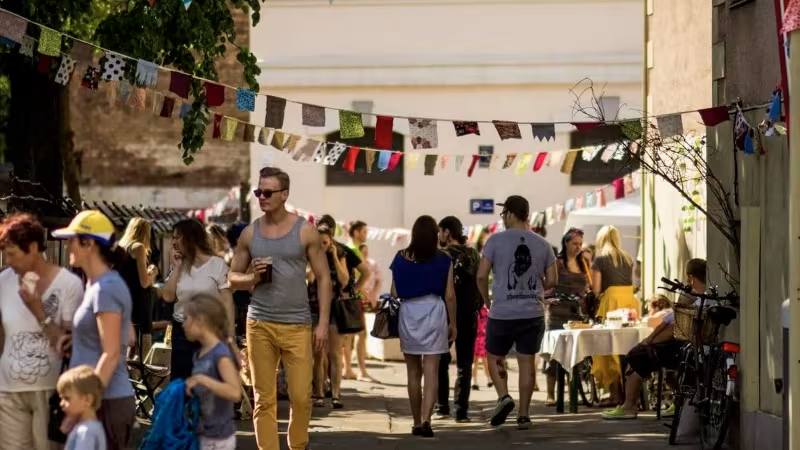
Kalamaja is a former fishing village turned creative district where pastel wooden houses line quiet streets and everything revolves around the Telliskivi complex. Saturday mornings smell like roasted coffee and flea market dust. People sit on wooden benches outside old warehouses, fingers wrapped around ceramic mugs, flipping through secondhand books they'll carry home in tote bags.
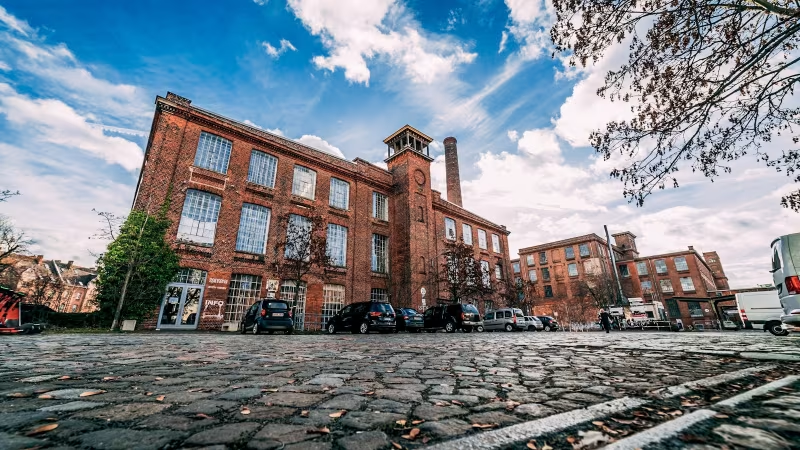
In Kalamaja, Telliskivi Creative City hosts more than 800 different cultural events throughout the year, meaning its repurposed former industrial complex averages more than two happenings every single day.
Other cool neighborhoods in Tallinn.
Noblessner
Noblessner is a former submarine factory on the harbor. Now it's all seafood restaurants, a distillery, and waterfront walks with views back toward the old city.
Uus Maailm
Uus Maailm literally means New World. Tiny neighborhood of wooden houses, community gardens, and a couple of quiet bars where locals actually outnumber tourists.
Kopli
Kopli is the end of the tram line and the edge of something new. Industrial bones, street art, and a rawness that Kalamaja had ten years ago.
Where to go in Kalamaja.
Bob W Telliskivi is a converted factory aparthotel with vinyl players in every unit and phone-based check-in.
Kalamaja eats seasonal Estonian at Restaurant Moon and drinks Estonian craft at Põhja Konn.
Balti Jaama Turg for smoked fish and cheap lunch, Fotografiska for strong photography exhibitions, and Lennusadam for a submarine and an icebreaker under one vast seaplane hangar roof.
Kalamaja, corner to corner.
The Kalamaja guide.


Good to know.
The boring numbers that decide whether you stay three days or four.
| Currency | EUR |
|---|---|
| Language | Estonian |
| Cost level | $$Moderate |
| Best months | June, with July to August as backup |
| Local time | UTC+3 |
| Plug type | EU plug · 230V/50Hz |
| Emergency | 112 |
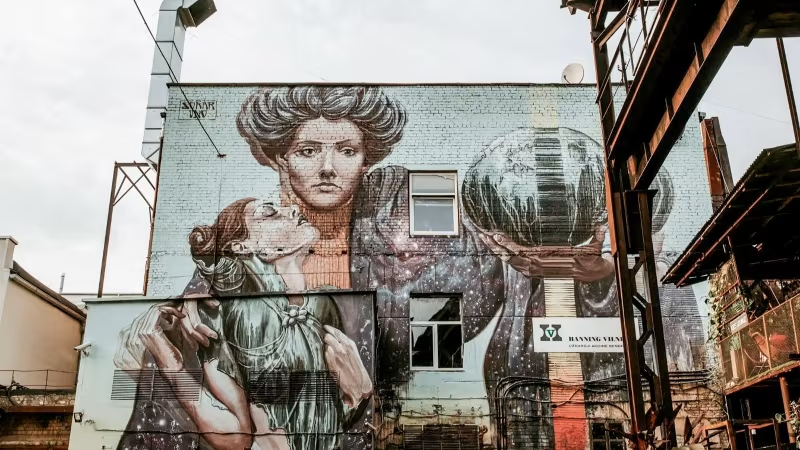
The Telliskivi courtyard murals change every year. Walk through the back alleys between buildings 60 and 62 to find the newest ones.
If you like Tallinn, try one of these.
How does Tallinn stack up?
Things to know about Kalamaja.
What is the Brooklyn of Tallinn?
What is the coolest neighborhood in Tallinn?
Where should I stay in Kalamaja, Tallinn?
Is Kalamaja in Tallinn safe at night?
Is Tallinn expensive?
When is the best time to visit Tallinn?
Last updated